
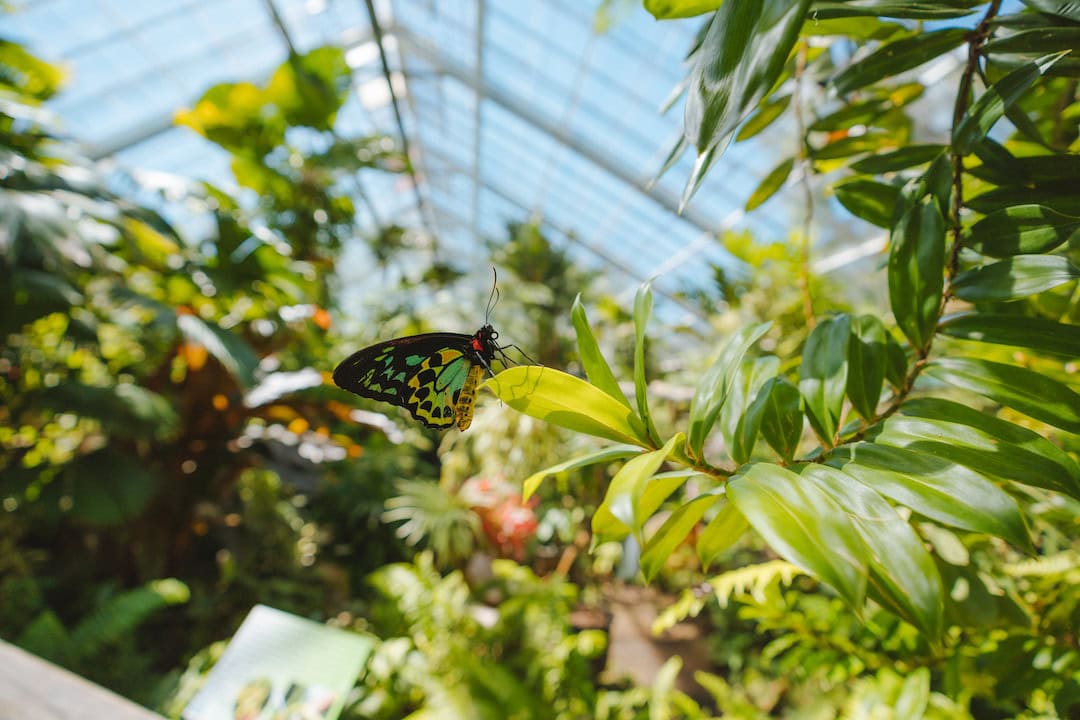
Dive into a kaleidoscpe of winged beauty at Bribie Island Butterfly House, Gold Coast Butterflies, and the Australian Butterfly Sanctuary.
These three amazing butterfly experiences in Queensland will give you a first-hand glimpse into how these fascinating critters change throughout their lives, and how they interact with one another and the flora around them. We’ve also pulled together six fun facts about butterflies.
Explore Bribie Island Butterfly House
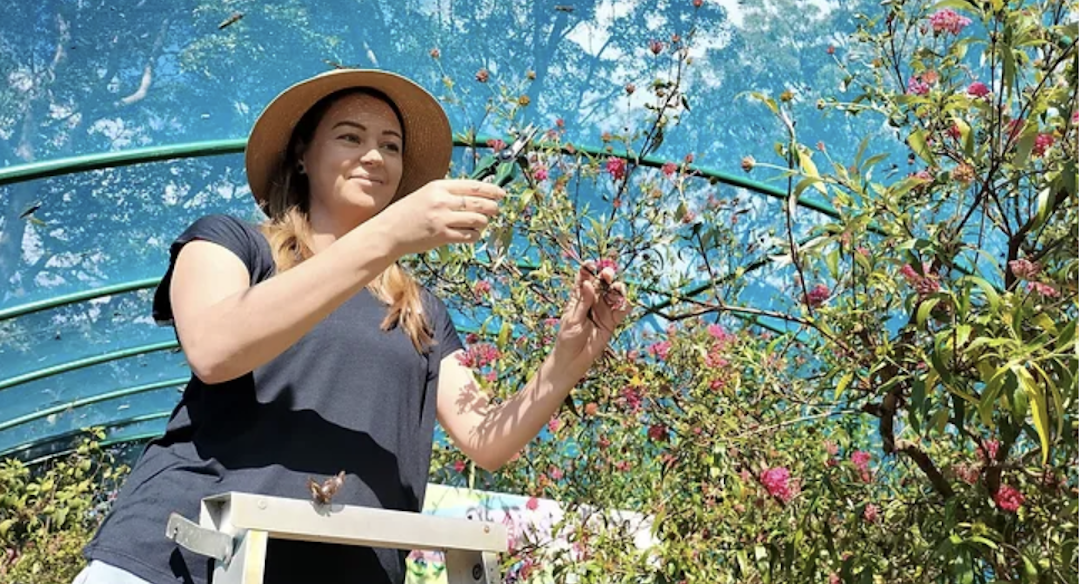
If you’ve ever wanted to be in close contact with hundreds of butterflies, Bribie Island Butterfly House is the place for you to quite literally step into a kaleidoscope. Besides getting to see butterflies up close, there’s every chance that some will land on you, making for a perfect photograph. Butterfly types here include the monarch, the Cairns birdwing, orchard swallowtail, and more, and you’ll be able to spot and learn about the different caterpillars that they come from.
This butterfly experience is perfect for the whole family, and with $7 tickets for kids ages 4 to 15 , and $12 for adults, it’s an affordable and unforgettable activity that will have you in awe of Mother Nature.
The sanctuary is only open on Wednesdays and Sundays from 10am until 4pm, and it’s wheelchair and stroller friendly.
Here are three fascinating facts about butterflies:
- They have compound eyes – in other words, many lenses. Butterflies have thousands of receptors in each of their eyes, each with its own lens. Human receptors can process up to 3 colors. Butterflies have receptors for up to 9 colors! Generally, butterfly species are attracted to red, yellow, white, purple, pink and orange flowers. This is due to a butterfly’s ability to see ultraviolet light, which means that these colors emit a striking glow to their compound eyes.
- Their skeletons are on the outside. The exoskeleton is a skeleton that covers the outside of an organism, protecting the internal organs and supporting the insect’s body shape.
- They usually only live for a few weeks or a few months, but Monarch butterflies, known for their migration, can live for 2-6 weeks in the summer, and if they migrate to Mexico or the California coast can live up to eight months
Step this way and check out Gold Coast Butterflies
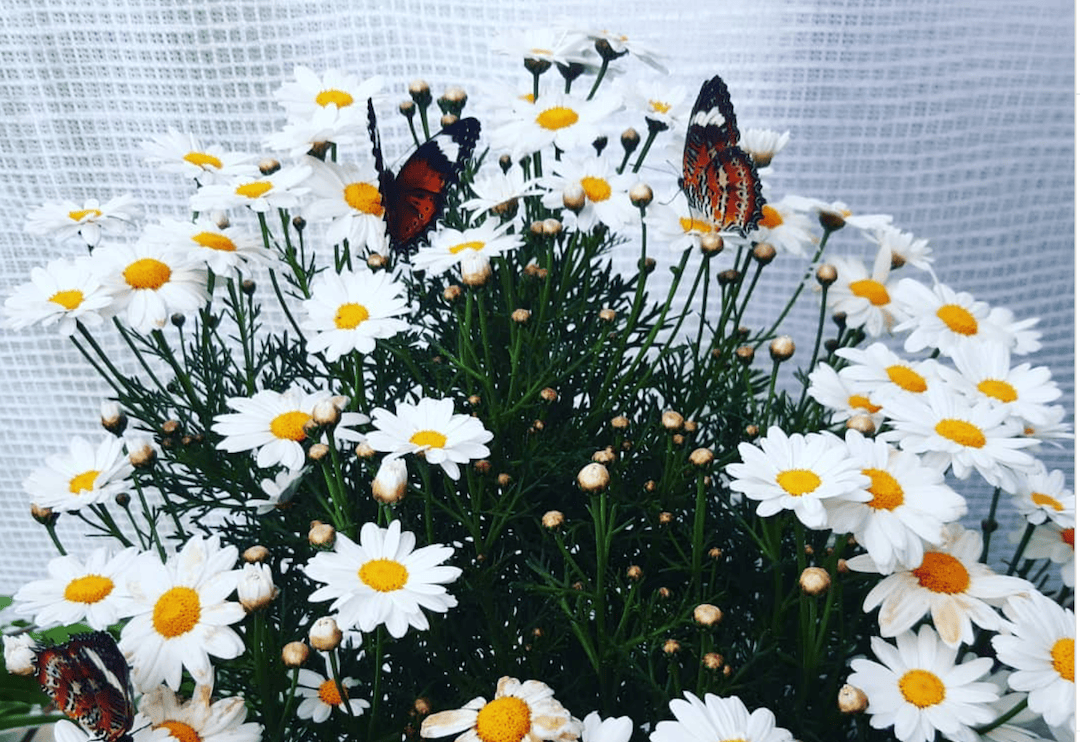
Eager to learn more about a butterfly’s life cycle and see butterfly eggs? At Gold Coast Butterflies you’ll have the chance to see a chrysalis hatch right in front of your eyes, and watch butterflies in a tropical garden environment.
Gold Coast Butterflies emphasises butterfly conservation, and even has plants for sale that are butterfly-friendly. The venue offers education services to schools and child care centres, where someone from the butterfly-loving team visits the classroom and gives an enriching and interactive talk about butterflies. It’s a great way to educate kids about these pretty critters in an exciting setting, and it’s no wonder that it’s considered one of the best butterfly experiences in Queensland.
Stay tuned for Gold Coast Butterflies’ new butterfly house, which will be opening soon.
Here are three more facts about butterflies:
- They taste with their feet. Butterflies don’t have mouths, and instead have sensors known as chemoreceptors at the base of their legs, which they use to sense nutritious sugars and viable food sources. Look closely and you’ll see that that will often drum their feet against the surface of a leaf in order to extract the plant juice.
- They live all over the world, except for Antarctica, because it’s too cold. Basically, if there are plants with nutritious nectar, you’ll find butterflies.
- Butterflies are one of the most travelled insects in the world. As they migrate, they navigate their way via a combination of environmental cues such as thermals, air currents and the sun’s position
Immerse yourself in the Australian Butterfly Sanctuary
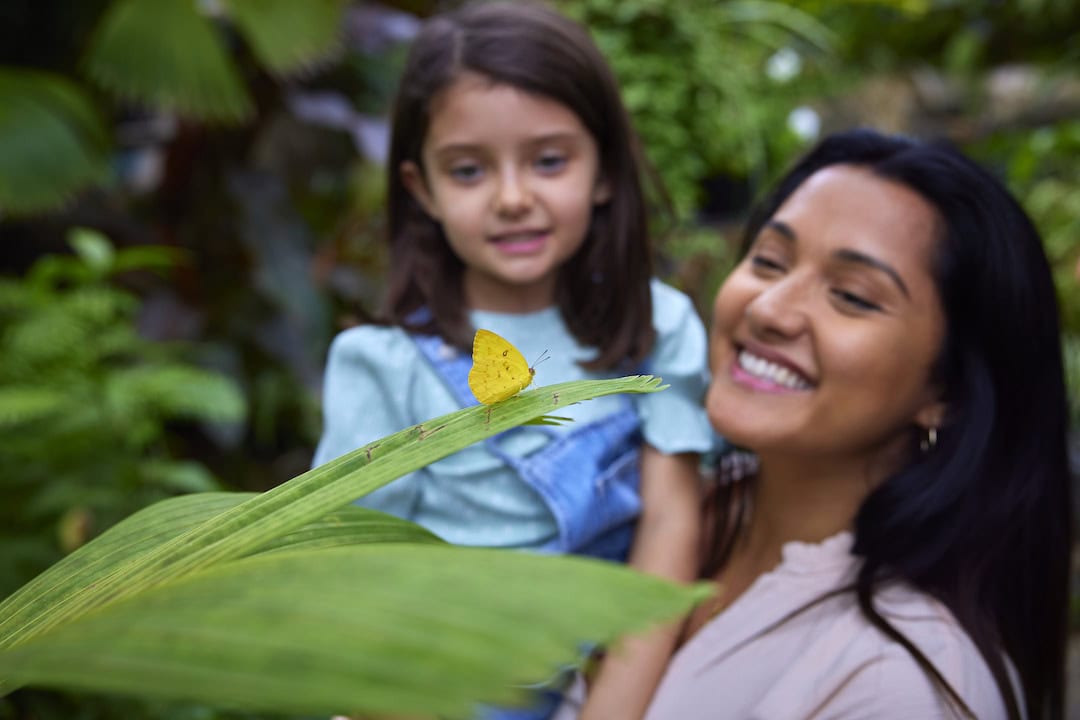
Home to 1,200 tropical butterflies and located in the lovely, colourful township of Kuranda, the Australian Butterfly Sanctuary is Australia’s largest butterfly aviary.
As you walk through gardens and across boardwalks, prepare to be immersed in a vibrant world of butterflies. The main aviary mimics a natural rainforest, complete with ponds, streams and waterfalls.
On the guided aviary tour you’ll have the chance to see colours through the eyes of a butterfly and learn about butterfly behaviour. There’s also an opportunity to witness butterfly breeding first-hand through viewing windows. Check out the food plant walk to learn how the sanctuary feeds more 1,200 butterflies on a daily basis.
It’s a great family day out, and adult tickets start at $24, while kids tickets start at $15. There’s also a delightful cafe and bar next door with plenty of wild butterflies out and about.
Three final fun facts about butterflies:
- They are liquid feeders – they can only drink, and not chew. A varied diet, including rotten fruit, pollen, and animal excrement, can help butterflies live longer, providing essential amino acids.
- Like all insects, butterflies are cold-blooded. They use thermoregulation to warm up, often basking in the sun. They also shiver, and the rapid shakes raise their internal temperature.
- Most species of butterfly can fly between 8 to 20 kilometres per hour. The Skipper butterfly can reach up to 60 kilometres an hour!
If you liked this story about butterfly experiences in Queensland, check out our guide to Australia’s best nature and wildlife experiences.
